
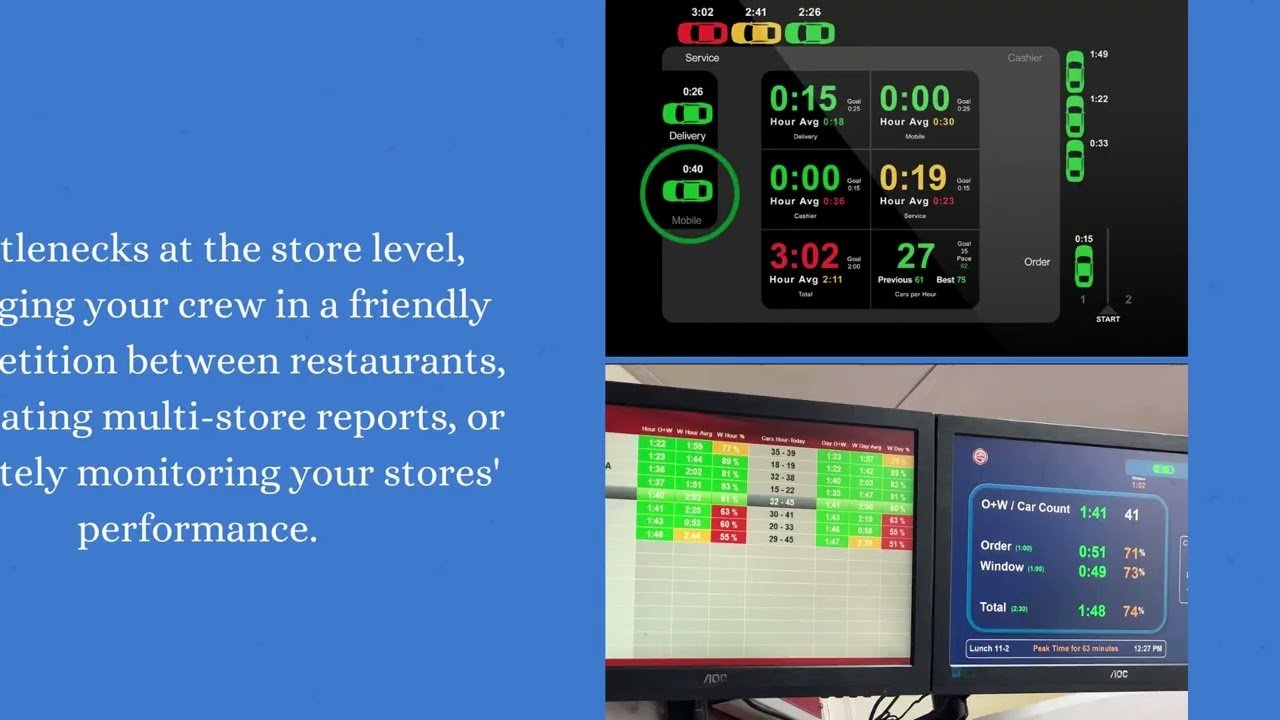
Building a Dynamic Leaderboard: Inspiring Performance and Achievements
Creating a leaderboard involves establishing criteria for ranking individuals or teams based on their performance or achievements. Here’s how you can create a leaderboard:
- Define Metrics: Determine the specific metrics or criteria you want to use to rank participants. This could include factors such as sales performance, productivity, customer satisfaction scores, or any other relevant KPIs.
- Set Goals: Establish clear goals or targets that participants must strive to achieve in order to earn a spot on the leaderboard. These goals should be challenging yet attainable, motivating participants to perform at their best.
- Track Performance: Implement systems for tracking and measuring participant performance against the established metrics. This may involve using software platforms, data analytics tools, or manual tracking methods, depending on the complexity of the metrics.
- Display Rankings: Create a visually appealing leaderboard that displays the rankings of participants in real-time. This could be a digital display in a visible location within the workplace, an online dashboard accessible to all participants, or regular updates sent via email or other communication channels.
- Provide Incentives: Offer incentives or rewards for participants who achieve top rankings on the leaderboard. This could include monetary bonuses, recognition awards, or other meaningful incentives that align with the goals of the competition.
- Encourage Engagement: Foster a sense of competition and camaraderie among participants by regularly updating the leaderboard and celebrating the achievements of top performers. Encourage friendly competition and provide support and encouragement to all participants as they strive to improve their performance.
- Review and Adjust: Regularly review the leaderboard and performance metrics to ensure they remain relevant and aligned with organizational goals. Make adjustments as needed to reflect changing priorities or to address any issues or concerns that arise during the competition.
By following these steps, you can create a leaderboard that motivates participants, drives performance improvement, and ultimately contributes to the success of your organization.

